
How to Get Glowing Skin Without Expensive Products
Glowing skin is often associated with expensive skincare brands, luxury facials, and complicated beauty routines. Social media makes it seem like you need a cabinet full of pricey serums and creams to have healthy-looking skin. But the truth is, good skin doesn’t have to cost a fortune. In many cases, simple habits matter far more than expensive products. Hydration, sleep, diet, and consistency can make a huge difference in how your skin looks and feels. While skincare products can help, you don’t need a ten-step routine to achieve a natural glow. With a few affordable changes and realistic habits, healthy skin is possible for almost anyone.
Hydration Makes a Bigger Difference Than You Think
Drinking enough water is one of the easiest and cheapest ways to support healthy skin. When the body is dehydrated, skin can appear dull, dry, and tired. Staying hydrated helps maintain elasticity and can give your skin a fresher appearance. Water alone won’t magically erase acne or wrinkles, but it supports overall skin health. Eating water-rich foods like cucumbers, watermelon, oranges, and lettuce can help too. Many people spend money on glow-boosting products while ignoring basic hydration habits that actually matter. Moisturizing your skin is equally important. Even affordable moisturizers can help lock in hydration and improve your skin barrier. Soft, healthy skin often comes from proper moisture rather than expensive ingredients.
Focus on Consistency Instead of Complexity
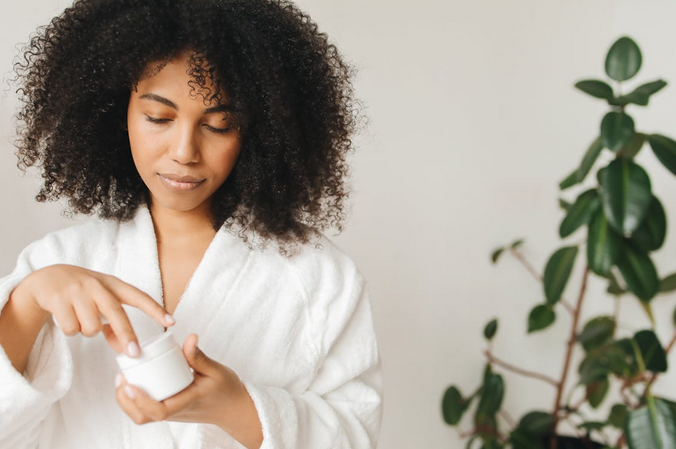
One of the biggest mistakes people make is constantly switching products and routines. Trying every trending product can irritate the skin and exacerbate existing problems. Healthy skin usually comes from consistency, not complexity. A simple routine with a gentle cleanser, moisturizer, and sunscreen can already improve your skin over time. Your skin needs time to adjust, and sticking with basic products often works better than overloading it with harsh treatments. Expensive products aren’t automatically more effective, especially if they don’t suit your skin type. Keeping things simple also saves money and reduces stress. Instead of chasing perfection, focus on taking care of your skin regularly.
Your Diet Affects Your Skin
What you eat often shows up on your skin. Diets filled with sugary snacks, processed foods, and greasy fast food can sometimes contribute to breakouts and inflammation. While everyone’s skin reacts differently, eating balanced meals can support a healthier complexion. Foods rich in vitamins, healthy fats, and antioxidants are especially helpful. Fruits, vegetables, nuts, seeds, and fatty fish can all support skin health from the inside out. Vitamin C-rich foods may help brighten skin, while omega-3 fats can support hydration and elasticity. You don’t need expensive supplements or trendy detox drinks to improve your skin. In many cases, simple, balanced meals work better than overpriced wellness products.
Protecting Your Skin From the Sun Matters Most
If there’s one skincare product worth using daily, it’s sunscreen. Sun damage is one of the main causes of premature aging, dark spots, and uneven skin tone. Even the most expensive skincare routine won’t help much if your skin is constantly exposed to harmful UV rays without protection. Thankfully, effective sunscreen doesn’t have to be expensive. Many affordable brands provide excellent protection. Using sunscreen daily can help maintain an even complexion and protect your skin long-term. Wearing hats, sunglasses, and seeking shade during peak sunlight hours can also help. Prevention is often easier and cheaper than trying to reverse skin damage later.
Sleep Is One of the Best Beauty Treatments

Lack of sleep shows up quickly on the skin. Dark circles, puffiness, dullness, and breakouts can all become more noticeable when you’re not resting enough. During sleep, the body repairs itself, including the skin. Getting seven to eight hours of sleep consistently can improve your complexion more than many luxury products. A regular sleep schedule also helps regulate stress hormones, which may reduce inflammation and breakouts. Creating a relaxing nighttime routine can make a difference, too. Washing your face before bed, avoiding heavy makeup overnight, and getting quality rest can help your skin recover naturally.
Stress Can Show Up on Your Face
Stress affects more than your mood. It can also impact your skin in noticeable ways. Many people experience breakouts, redness, or irritation during stressful periods. High stress levels may increase inflammation and trigger habits like poor sleep or unhealthy eating. Managing stress doesn’t require expensive spa treatments. Simple activities like walking, exercising, journaling, listening to music, or spending time outdoors can help improve both mental well-being and skin health. Taking small breaks during busy days and giving yourself time to relax can have visible effects over time. Healthy skin is often connected to overall balance and self-care rather than costly beauty products.
Natural Remedies Can Be Helpful in Moderation
Many affordable natural ingredients can support healthy skin when used carefully. Honey, aloe vera, oatmeal, and yogurt are common examples that people use for soothing or moisturizing the skin. However, natural doesn’t always mean better or safer. It’s important to patch-test anything new before applying it to your face. Overusing DIY treatments or mixing too many ingredients can irritate sensitive skin. Simple and gentle approaches usually work best. You don’t need elaborate homemade masks every day to achieve glowing skin.
Getting glowing skin doesn’t require luxury skincare products or a complicated routine. In reality, healthy skin often comes from simple daily habits like staying hydrated, eating balanced meals, sleeping well, protecting your skin from the sun, and managing stress.
…